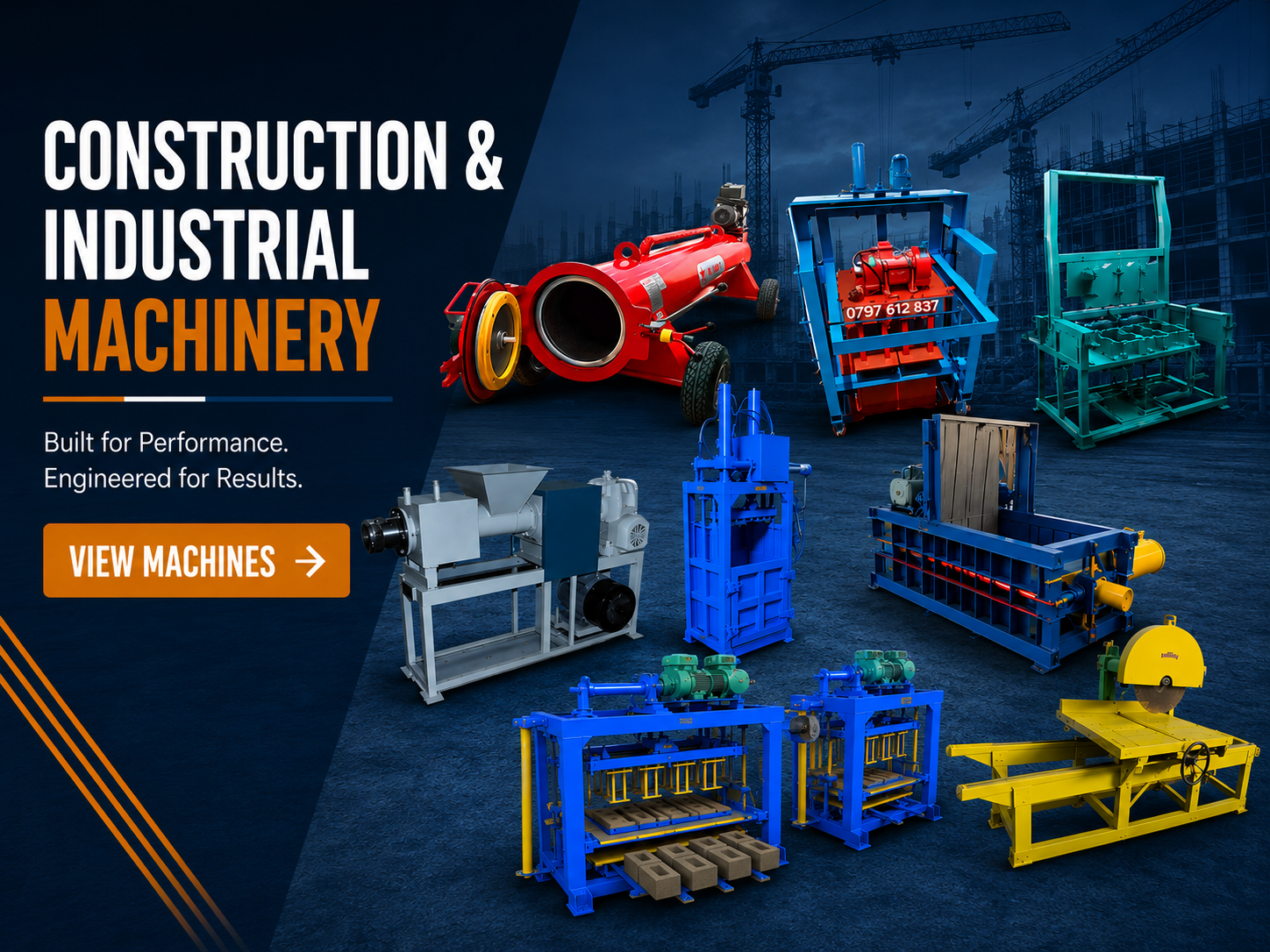
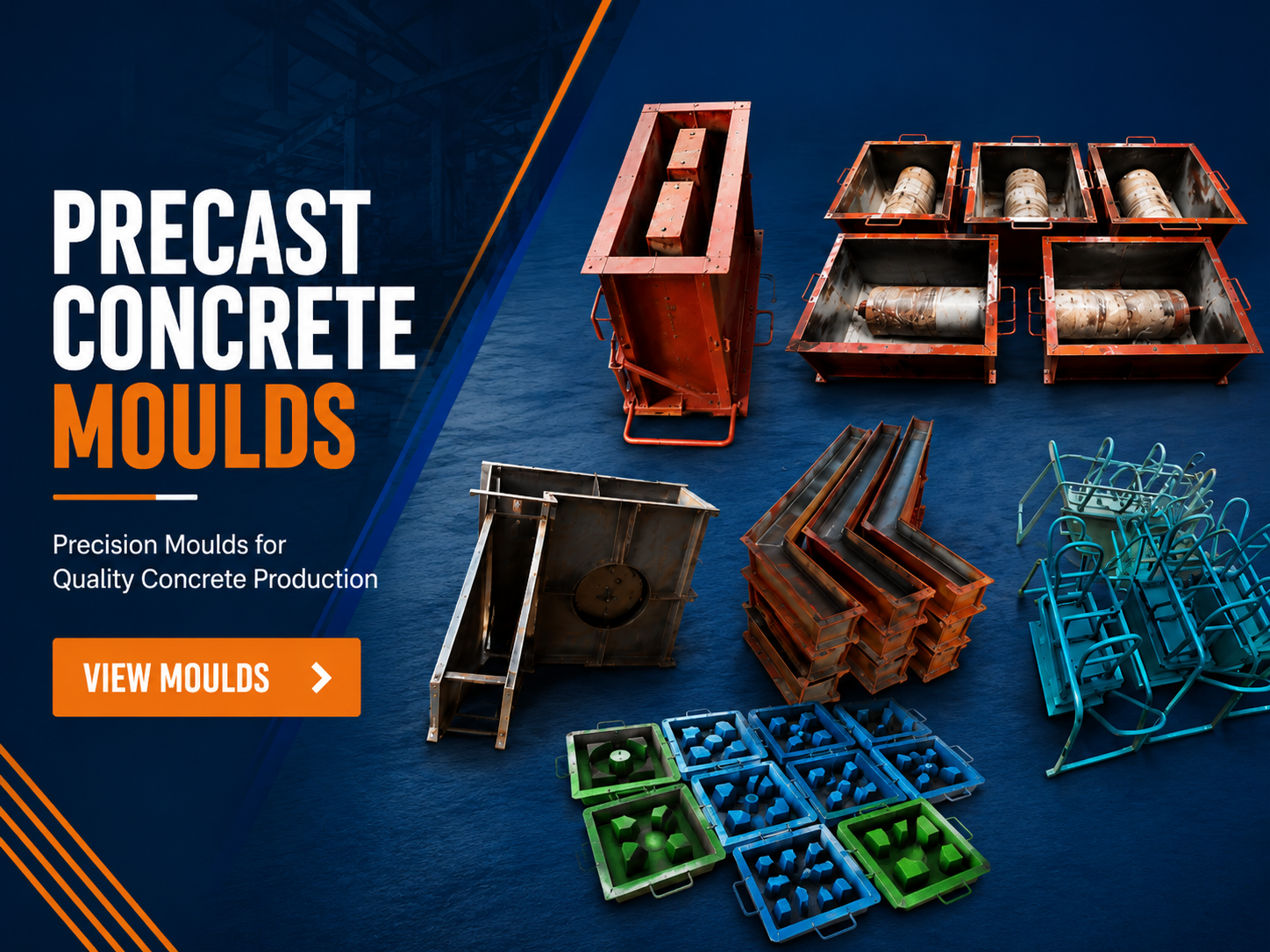
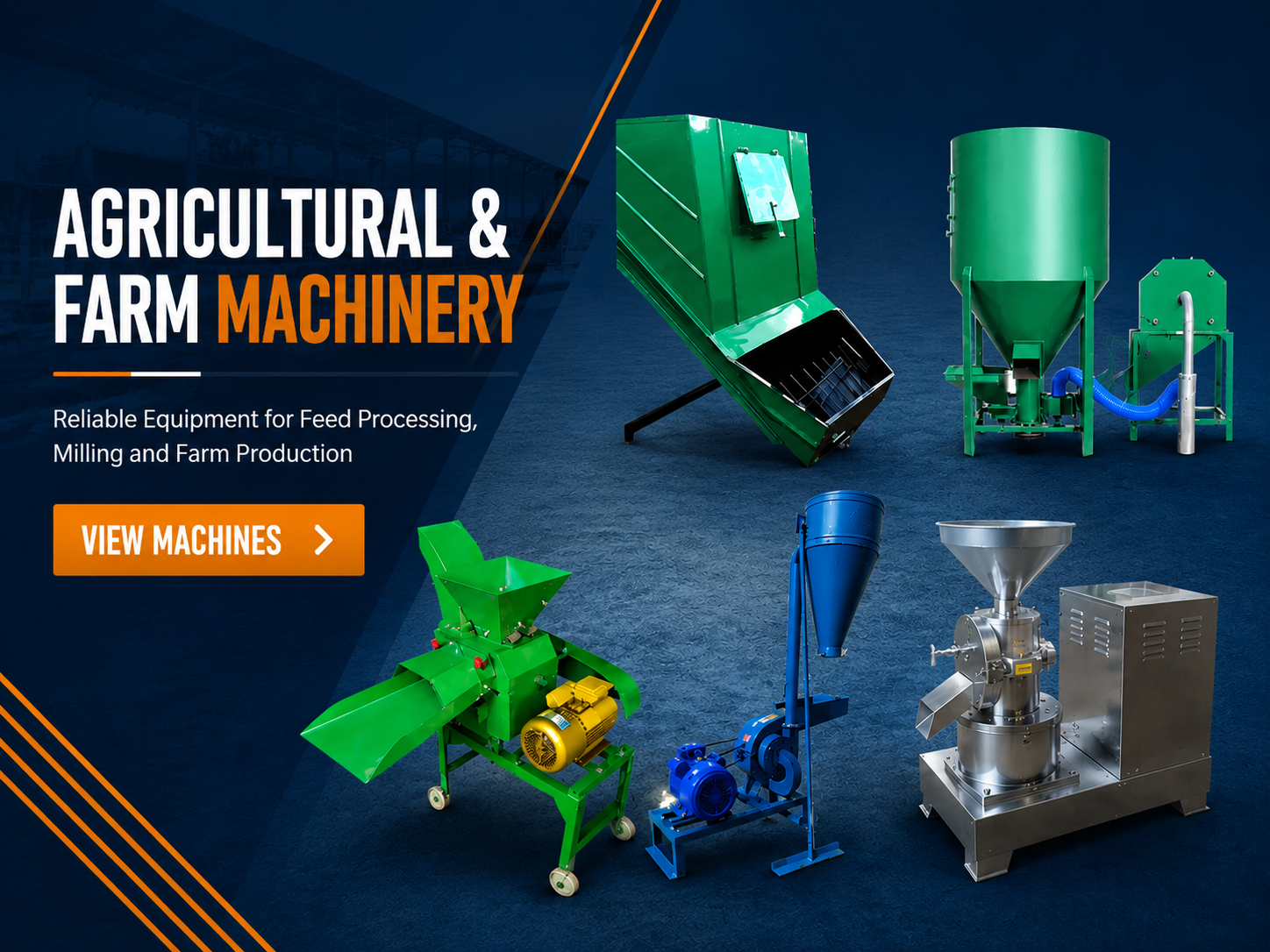
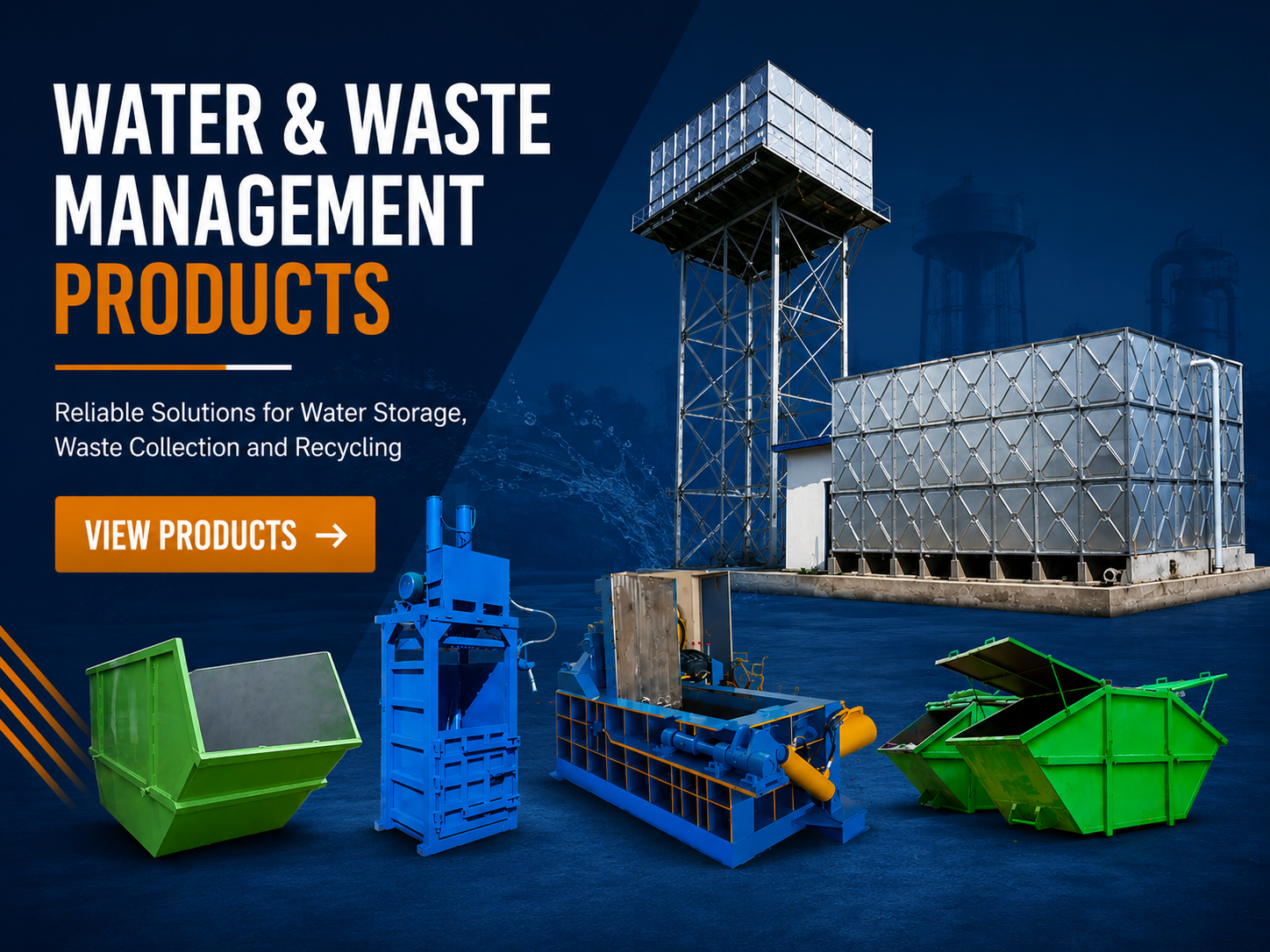
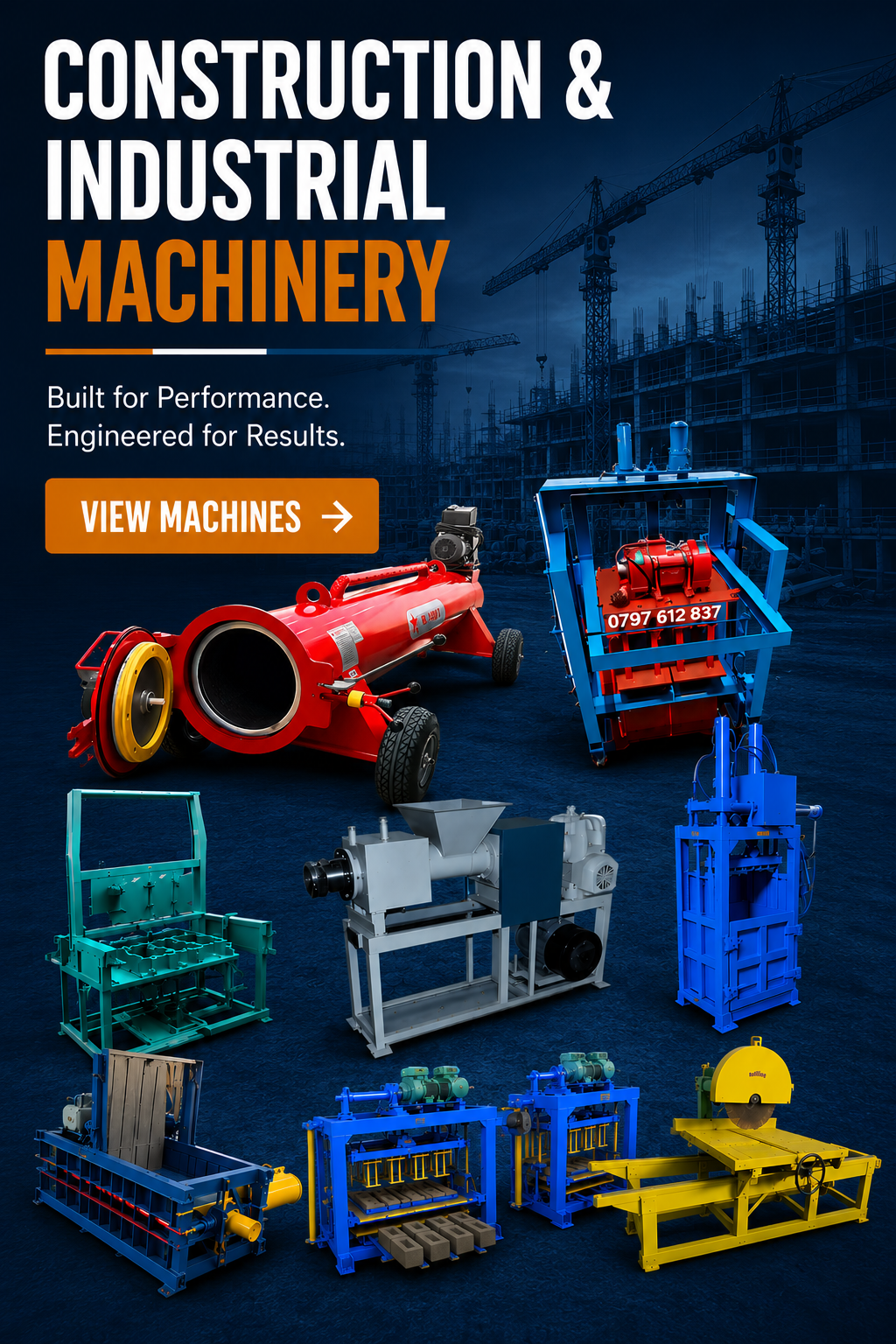
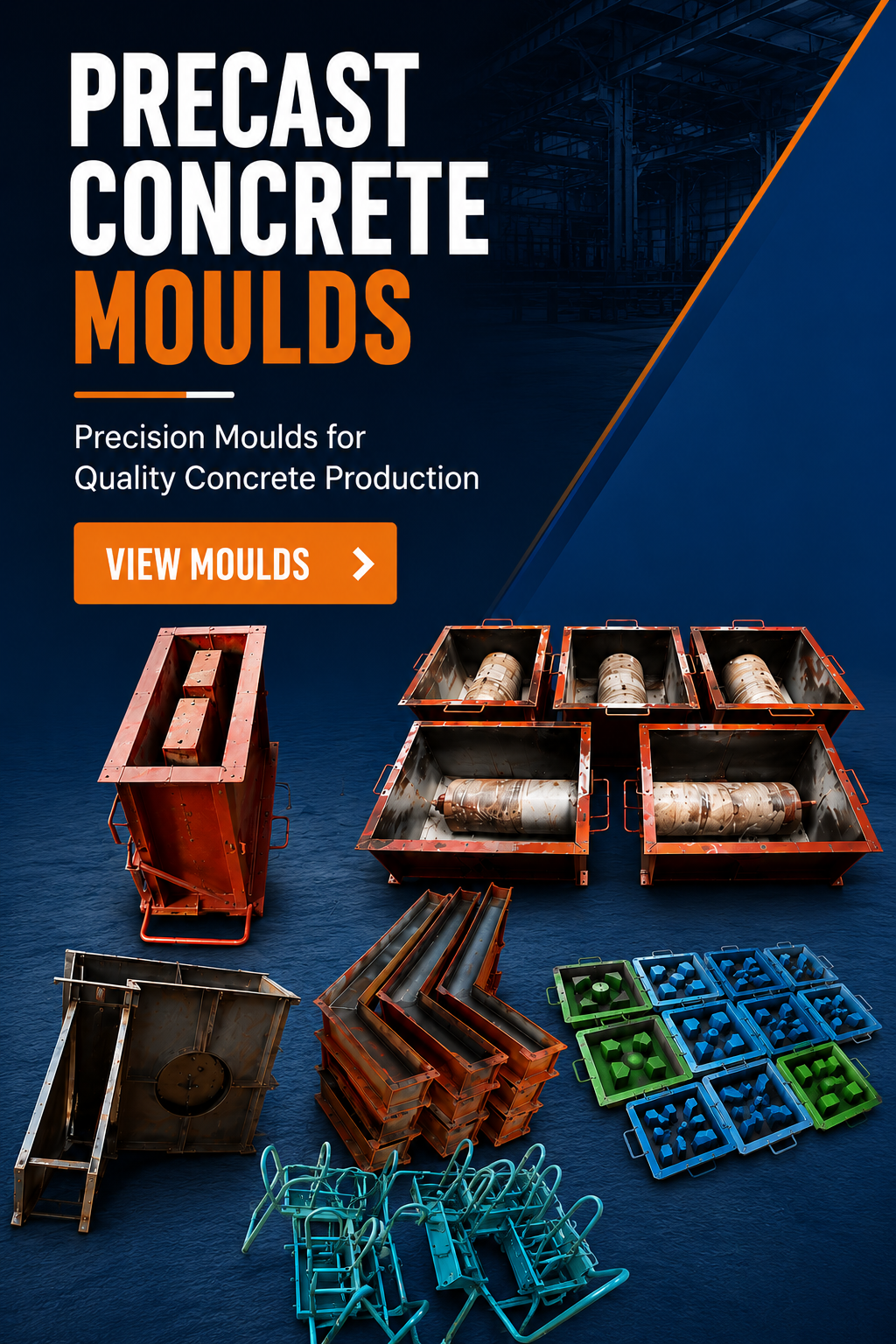
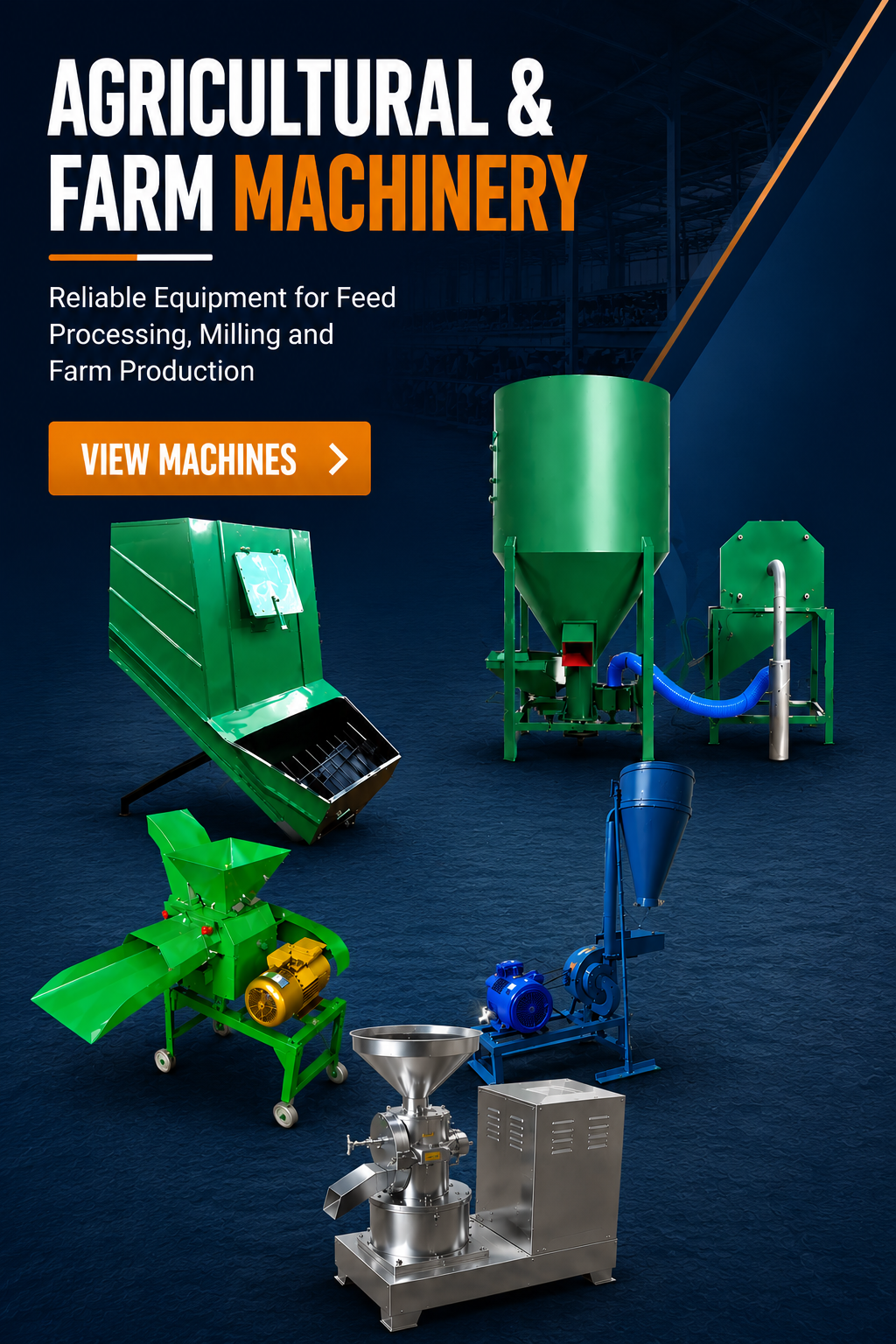
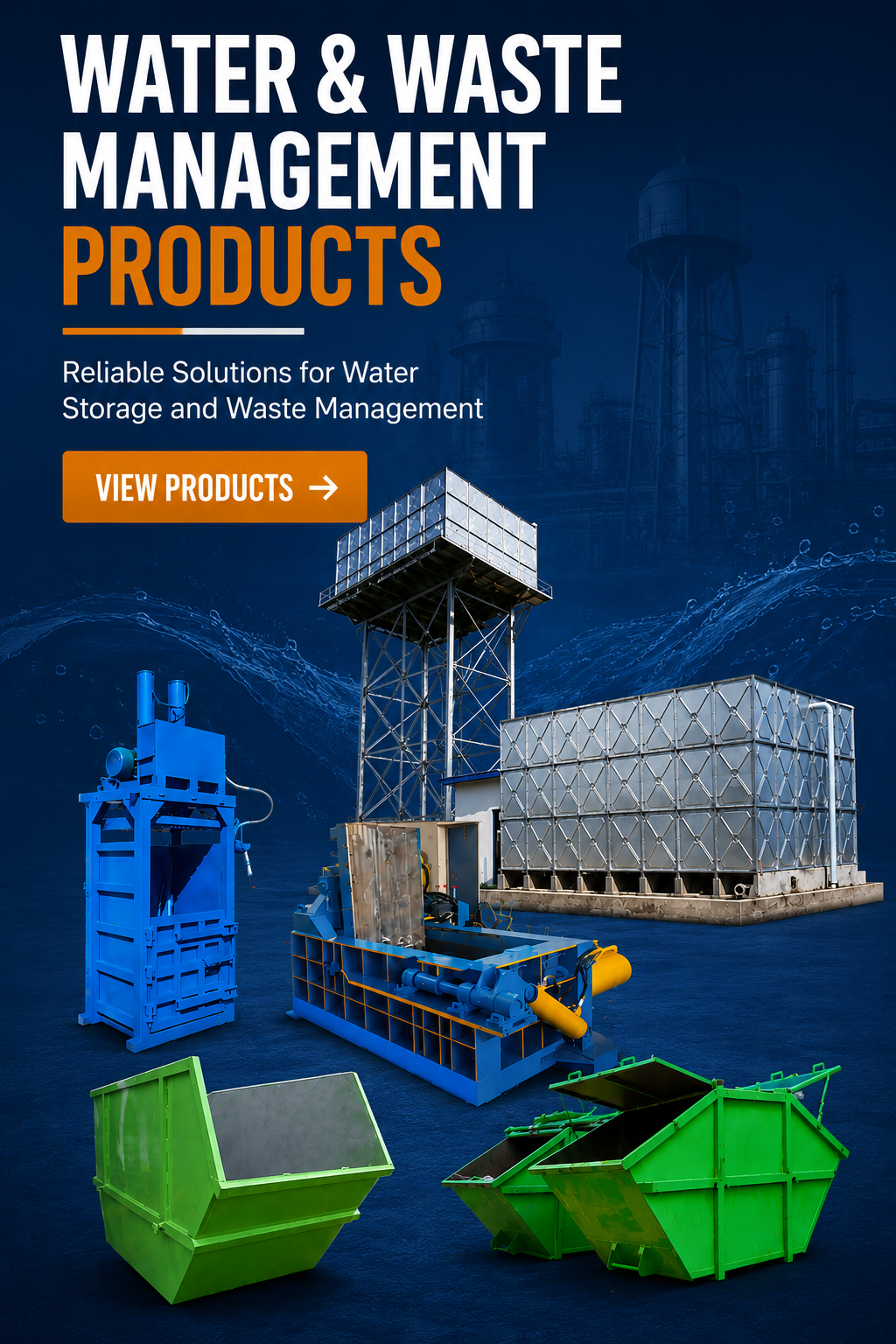

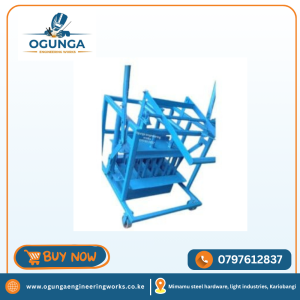
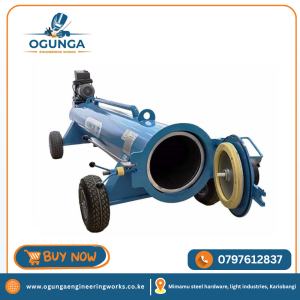
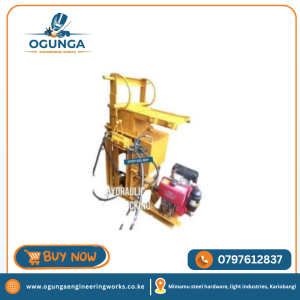
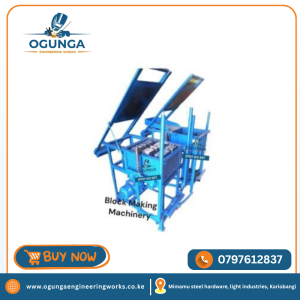



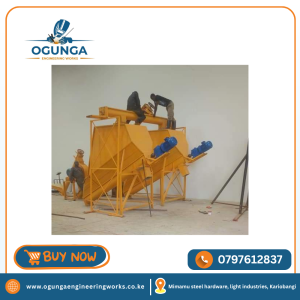
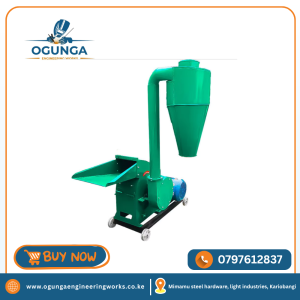
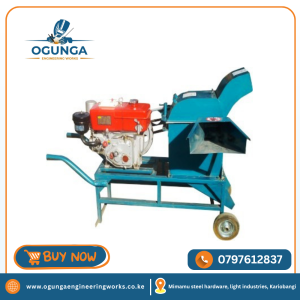

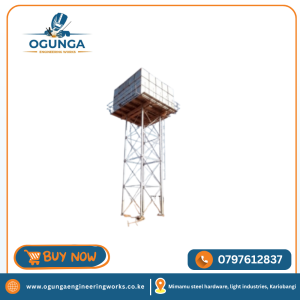







The cost depends on the machine type, production capacity, automation level, mould configuration and power requirements. Manual machines normally cost less than hydraulic, static or multipurpose commercial machines. Buyers should compare expected daily output, available labour and the concrete products they want to manufacture before selecting a machine.
- Call:0797612837
- Mimamu steel hardware, light industries, Kariobangi , Nairobi

Ogunga Engineering Works
Engineering With Elegance
'
Ogunga Engineering Works
Engineering With Elegance
Construction Machinery and Concrete Moulds in Kenya
Construction Machinery Precast Concrete Moulds & Agricultural Industrial Equipment in Kenya
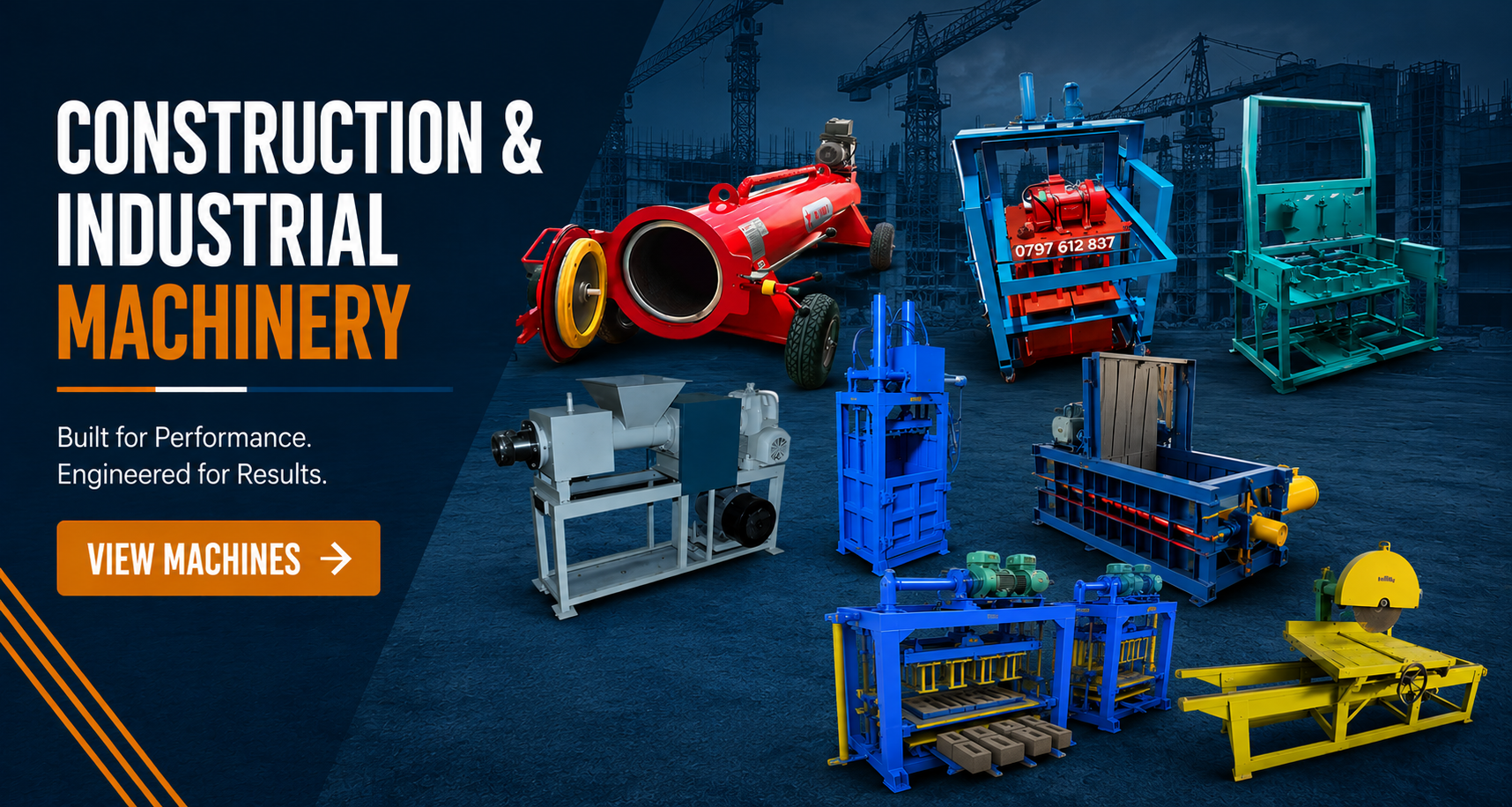
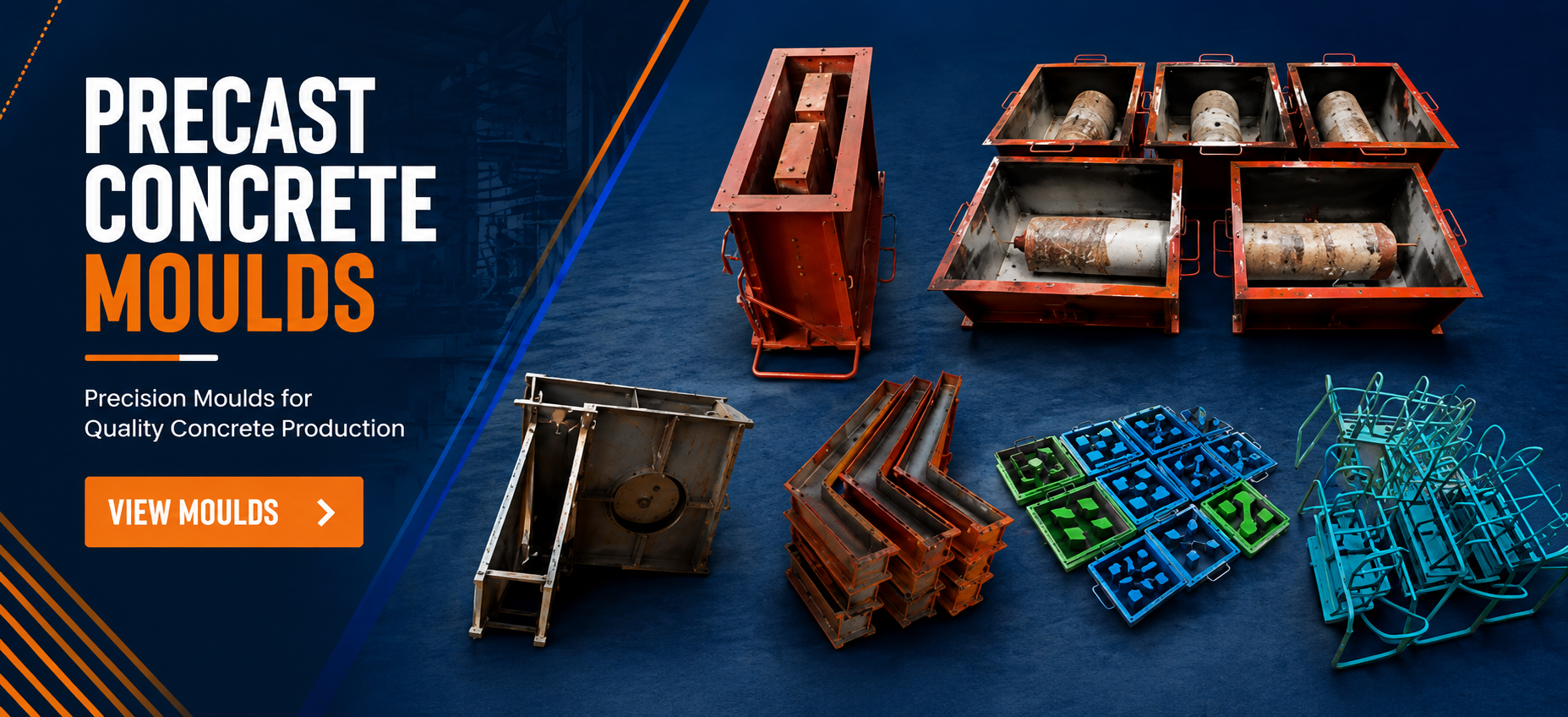
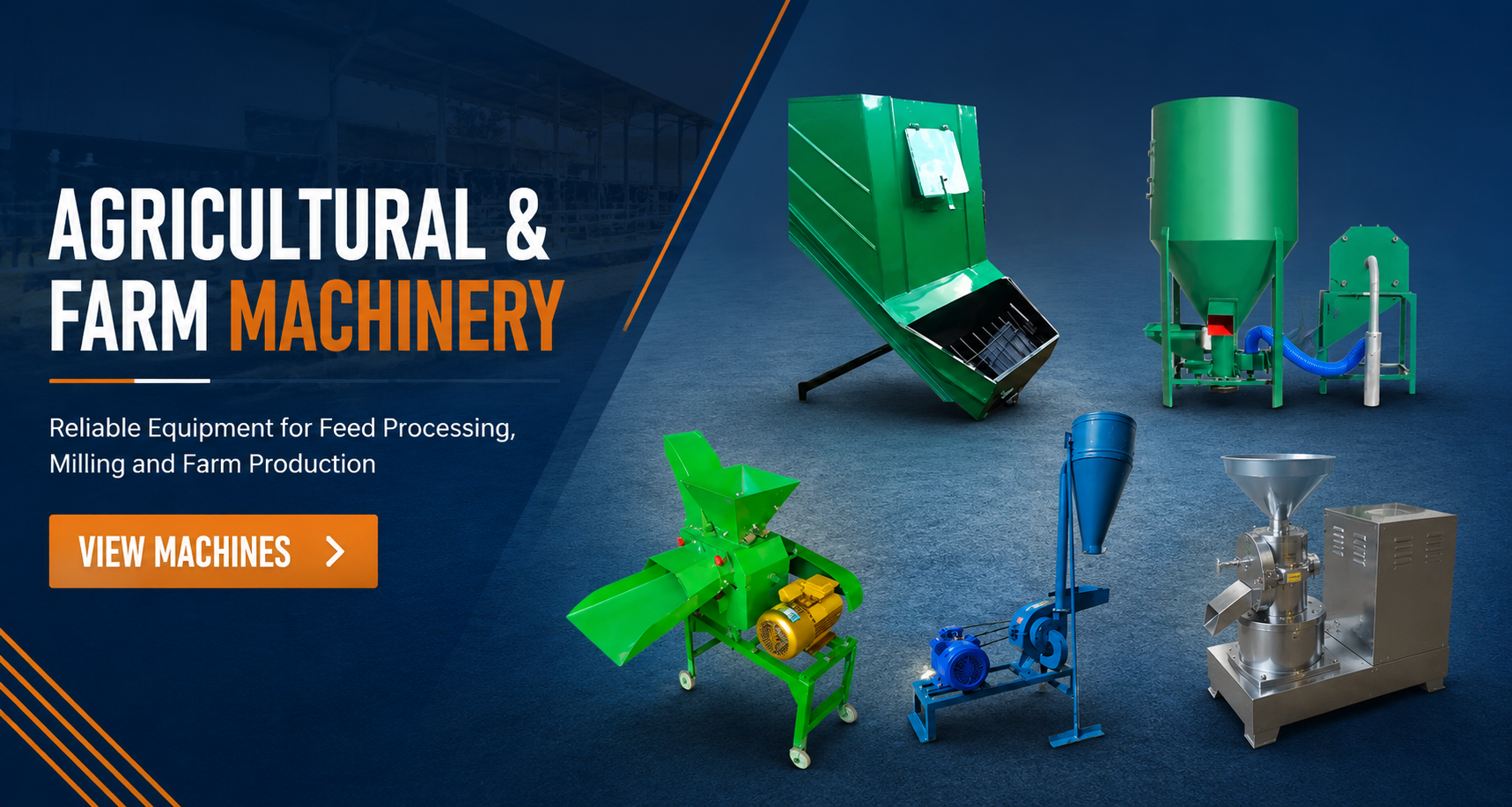
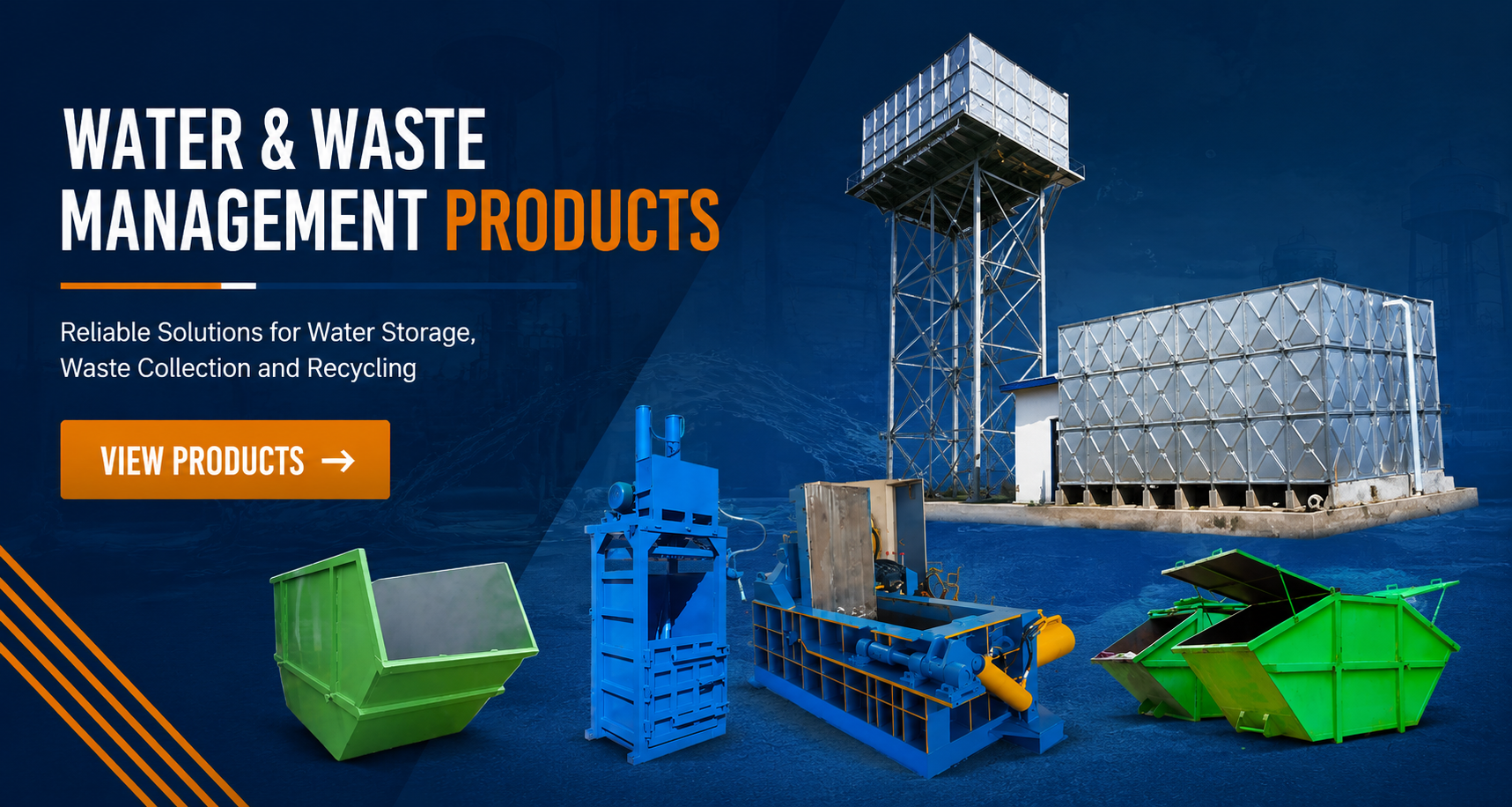
Ogunga Engineering Works is a leading manufacturer and supplier of construction machinery, concrete moulds, agricultural equipment, water storage systems, waste management products, and outdoor steel structures in Kenya. We provide block making machines, stone crushers, concrete mixers, culvert moulds, fencing post moulds, feed mixers, posho mills, hydraulic balers, steel water tanks, garbage skips, and custom fabrication solutions designed to improve productivity, durability, and efficiency. Whether you are a contractor, developer, farmer, institution, or reseller, our products are built to meet the demands of Kenya’s growing construction, agricultural, and industrial sectors.

- Special Offers - Flash Sale
- Construction & Industrial Machinery
-
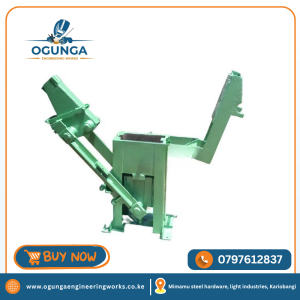
Interlocking brick machine
KSh75,000.00 -
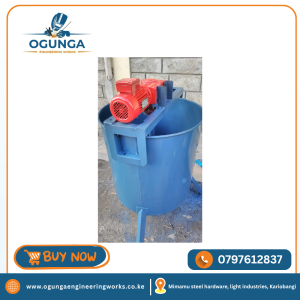
Electric Bar Soap Mixer Machine
KSh97,000.00 -
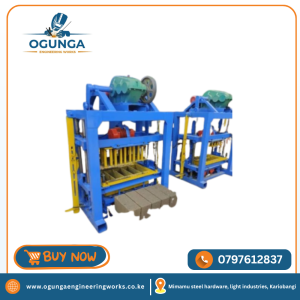
Multipurpose block machine
KSh1,350,000.00 -

Concrete mixer machine
KSh370,000.00 -
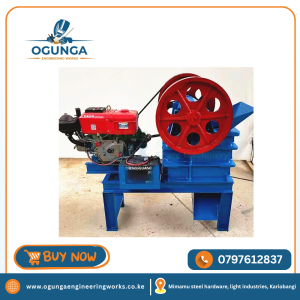
Jaw Crusher and Hammer Crusher
KSh550,000.00 -
Sale!
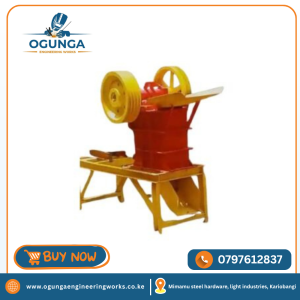
Stone Crusher Machine
KSh700,000.00Original price was: KSh700,000.00.KSh670,000.00Current price is: KSh670,000.00.
- Agricultural & Farm Machinery
- Featured Products
No products found. Please verify that the WooCommerce plugin is active and there are products.
Top-Grade Equipment for Professionals
Shop Quality Machines & Moulds
Shop a wide selection of durable, locally made machines and fabrication tools trusted by contractors, engineers, and builders nationwide.
- New Arrivals
Choose Category
Quick Fixes. Quality Work. Reliable Results.
Need Machine Repairs? We’ve Got You
At Ogunga Engineering Works, we don’t just manufacture—we also repair. Our expert team restores a wide range of machines and metalworks, from hydraulic balers and mixers to moulds, car shades, and more.
We handle everything from minor fixes to full overhauls, helping you avoid costly replacements and downtime. With skilled workmanship and quick turnaround, we get your equipment back in shape—efficiently and affordably.
What Our Clients Say
Ogunga Engineering repaired our broken vibrating table quickly and professionally. Their team was skilled, responsive, and affordable. The machine has been running smoothly since the repair. I highly recommend their repair services to others.
Ruth W. Block Manufacturer – KisumuWe ordered fencing post and cabro moulds, and the results have been fantastic. The moulds are strong, accurate, and well-finished. They’ve helped boost our productivity, and we’re definitely coming back for more. Ogunga never disappoints.
James M. Precast Works – EldoretNeeded a customized culvert mould for a road project, and Ogunga Engineering delivered on time with top-quality results. The welds were clean, and the dimensions were perfect. Their attention to detail and professionalism stood out.
Elizabeth K. Site Engineer – ThikaWe had car shades installed at our residential property by Ogunga Engineering. The structure is firm, wind-resistant, and neatly done. The final finish added both protection and a great look to our compound. Very satisfied with the service.
Samuel O. Property Manager – NairobiExpert Craftsmanship
We combine skilled workmanship with precision engineering to deliver durable, high-quality machines, moulds, and metalworks built to last. Every product undergoes strict quality checks to ensure it meets industry standards.
Fast Turnaround Time
We combine skilled workmanship with precision engineering to deliver durable, high-quality machines, moulds, and metalworks built to last. Every product undergoes strict quality checks to ensure it meets industry standards.
Customer-Focused Service
Your satisfaction is our priority. We offer personalized solutions, clear communication, and reliable after-sales support to ensure you get exactly what you need—every step of the way.
Buyer Guidance Centre
Practical Answers for Your Engineering Project
Compare machinery, concrete moulds, agricultural equipment, water systems, car shades and industrial solutions before choosing equipment for your project in Nairobi or anywhere in Kenya.
20
Useful project answers
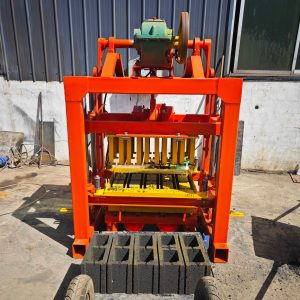
A manual or compact static block making machine is often suitable for a start-up because it requires lower capital and can operate with a smaller team. A growing business may benefit from a multipurpose or hydraulic machine that produces more blocks and supports different mould sizes.
Block making machines usually produce larger concrete blocks, including hollow and solid blocks. Brick making machines normally produce smaller masonry units, interlocking bricks or compressed bricks. The correct machine depends on the raw materials, product dimensions, construction market and expected production volume.
A pan mixer is commonly preferred for blocks, cabro and precast production because it distributes cement, sand, aggregates, water and pigments evenly. A conventional concrete mixer may be suitable for general construction, while larger production yards require higher-capacity mixers matched to daily output.
Consider the type and hardness of stone, required aggregate size, expected hourly output, available power, loading method, site conditions and maintenance requirements. A complete plant may require a primary crusher, screens, conveyors and material-handling equipment rather than one standalone machine.
The correct equipment depends on the material being cleaned or dried, moisture level, production volume, hygiene requirements and available floor space. Food, recycling, soap and manufacturing facilities may require different washing, drying, heating or airflow systems.
A suitable mixing machine can support products such as liquid soap, hand wash, dishwashing liquid, fabric softener and selected detergents. Each product requires its own formulation, mixing sequence and cleaning procedure. Powdered detergents may require a ribbon mixer instead of a liquid mixing tank.
Hydraulic balers compress cardboard, plastics, textiles, scrap metals and other recyclable materials into compact bales for easier storage and transport. Plastic shredders reduce plastic waste into smaller pieces that can be sorted, washed and prepared for recycling or further processing.
Suitable equipment may include material-handling trolleys, hydraulic lift tables, platforms, hoists or customized lifting systems. Selection depends on maximum load, lifting height, frequency of use, aisle width, floor condition and how materials move through the facility.
Choose equipment based on the material being cut, its thickness, required accuracy, production speed and workshop power supply. Stone cutters, cabro cutters and circular cutting machines serve different applications, so the cutting blade and machine capacity must match the product.
A small business should select equipment according to the product it plans to sell and realistic daily demand. A peanut butter machine and roaster can support peanut processing, while grain grinders, posho mills and crop-processing machines serve different agricultural products.
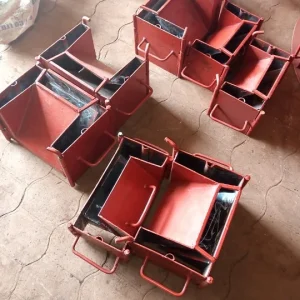
Common moulds include block moulds, brick moulds, culvert moulds, manhole-cover moulds, road-channel moulds, kerb moulds, fencing-post moulds, slabs, pillars and decorative concrete moulds. The mould should match the required dimensions, concrete design and expected production frequency.
Block and brick moulds produce masonry units and paving products. Decorative moulds produce architectural items such as columns, spindles, vents and wall cappings. Utility moulds are used for practical infrastructure products such as fencing posts, manhole covers, kerbs and drainage channels.
Road and drainage projects commonly use culvert moulds, socket culvert moulds, road-channel moulds, manhole-cover moulds and road-kerb moulds. The final selection should follow project drawings, load requirements, drainage capacity and installation conditions.
Commercial millers often require a three-phase electric machine, a diesel-powered mill or a combined Grade 1 and Grade 2 system. The best option depends on electricity availability, flour grade, expected hourly output, local customer demand and backup-power requirements.
Dairy and beef farmers often require chaff cutters for Napier grass, hay and maize stalks. Poultry and pig farmers may need feed grinders and mixers for grains and supplements. Larger farms can use combined chopper and grinding machines to prepare several feed ingredients.
Grain dryers reduce moisture before storage, while grinders, milling machines, rice mills and roasters support value addition. The correct processing system helps farmers reduce spoilage, improve storage life and sell produce in a more valuable form.
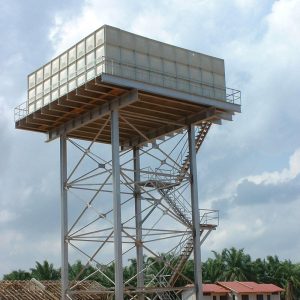
Homes and businesses may require steel water tanks, elevated water towers, drainage channels, garbage bins, waste containers or biodigester systems. Selection depends on water consumption, number of users, waste volume, available space, site drainage and sanitation needs.
Residential shades are designed for homes and smaller parking areas. Commercial shades cover larger parking spaces at offices, schools, hospitals and malls. Cantilever shades use support columns on one side, creating clearer vehicle access and a modern appearance.
Yes. Dimensions, production capacity, mould design, tank size, lifting height, structural layout and material specifications can be adapted to suit a project. Accurate customization requires clear measurements, expected workload, site conditions and technical requirements.
We purchased a hydraulic baler and pan mixer from Ogunga Engineering Works. Both machines have been working flawlessly, and the build quality is excellent. Their team also offered great after-sale support. Very reliable company to work with.
Peter N. Contractor – Nairobi