Description
Manual Roller Shutter Doors Kenya – Fabrication, Supply and Installation
If you are looking for Manual Roller Shutter Doors Kenya, Ogunga Engineering Works provides a project-based fabrication solution for customers who need secure, practical and space-efficient access. Manual Roller Shutter Doors are suitable for small shops, kiosks, storerooms, workshops, garages and low-frequency entrances, depending on the opening size, working environment and preferred operating method.
This listing focuses on simple, practical roller shutter operation without dependence on powered automation. It is a straightforward shutter door option for customers who prefer uncomplicated operation and a practical security barrier. Rather than treating every doorway as identical, fabrication should begin with actual site measurements, intended usage and the level of security expected from the entrance.
What Are Manual Roller Shutter Doors?
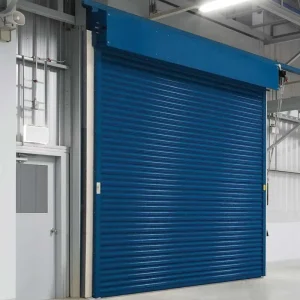
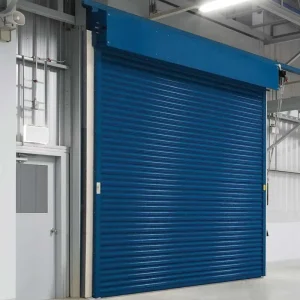
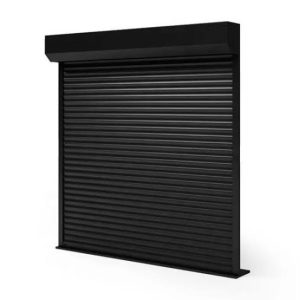
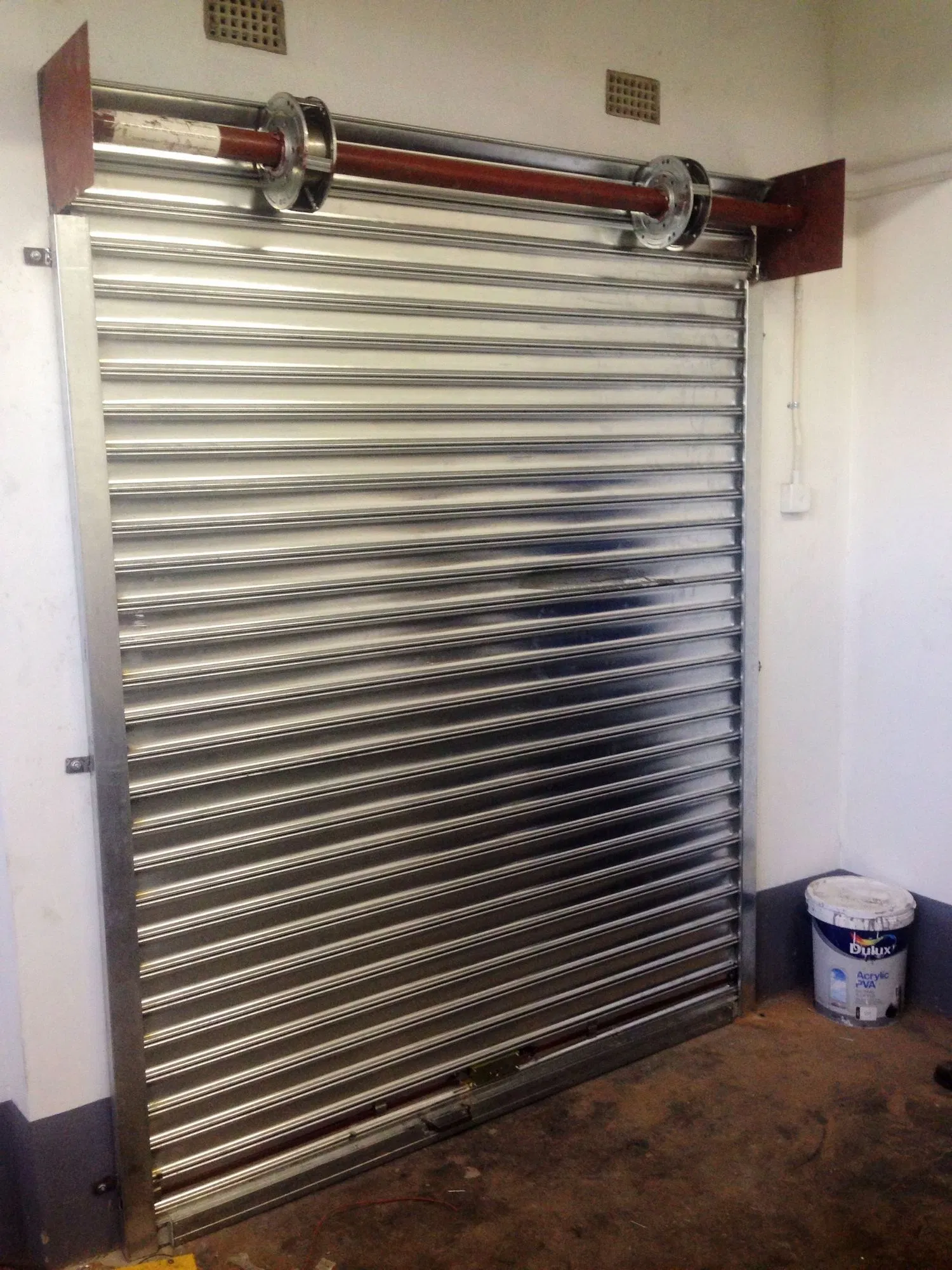
Manual Roller Shutter Doors are vertically opening doors formed around a rolling shutter system. When opened, the shutter moves upward and rolls above the entrance, helping preserve floor and frontage space that would otherwise be needed by conventional swing doors. The system can be configured for manual or powered operation depending on project requirements, door dimensions and expected frequency of use.
For businesses comparing Manual Roller Shutter Doors in Kenya, the most important issue is not only the product name. A dependable result requires accurate measurements, suitable fabrication, properly aligned guides, an operating system matched to the door size and professional installation around the building opening.
Where Manual Roller Shutter Doors Are Commonly Used
- small shops
- kiosks
- storerooms
- workshops
- garages
- low-frequency entrances
These applications often require entrances that can be secured after working hours while still allowing practical movement of people, stock, equipment or vehicles during normal operations. The vertical opening arrangement is especially useful where space immediately inside or outside the doorway needs to remain clear.
Key Benefits of Manual Roller Shutter Doors
- straightforward operation
- no normal dependence on electrical power
- practical for smaller openings
- lower system complexity
- custom sizing
The exact advantages depend on how the shutter is specified and installed. For this reason, Ogunga Engineering Works approaches each project as a measured fabrication job rather than assuming one standard configuration will suit every property.
Custom Fabrication for Different Openings
Door openings vary considerably between retail units, warehouses, garages and industrial buildings. Ogunga Engineering Works provides custom fabrication services in Nairobi, Kenya for projects that require made-to-measure steelwork and practical engineering solutions.
Before fabrication, customers should provide accurate opening dimensions, photographs or drawings where available, project location and the intended use of the entrance. Site conditions may also determine whether additional support steelwork is required around the opening.
What to Confirm Before Ordering
- door size and weight
- frequency of use
- user handling requirements
- security level
- locking method
- available headroom
These details help determine the most suitable configuration for the project. A small retail entrance used twice per day has different operating demands from a warehouse or factory shutter that may be opened repeatedly for loading, deliveries or vehicle movement.
Fabrication and Installation Process
- Project enquiry: Share the type of shutter required, intended use, location and approximate dimensions.
- Measurement: Confirm the clear opening width, height, headroom and surrounding support conditions.
- Specification: Agree on the operating method, fabrication approach, security requirement and finish.
- Fabrication: Components are prepared to suit the confirmed project dimensions and intended application.
- Installation: The shutter, guides and related support components are fitted and aligned at the opening.
- Operational check: The completed door should be tested for smooth movement, secure closure and appropriate user operation.